






16 psychology findings that survived the replication crisis
What each one says, the study behind it, why it happens, how solid it is, and where it stops.
A hundred and fifty worlds go to war over Hyperion while a second John Keats, dying the first one’s death in Rome, dreams the pilgrims at the Time Tombs; the page is the Web itself, every step a doorway of light, until the day the farcasters die and it goes dark and turns to paper. Two AI voices read it aloud.
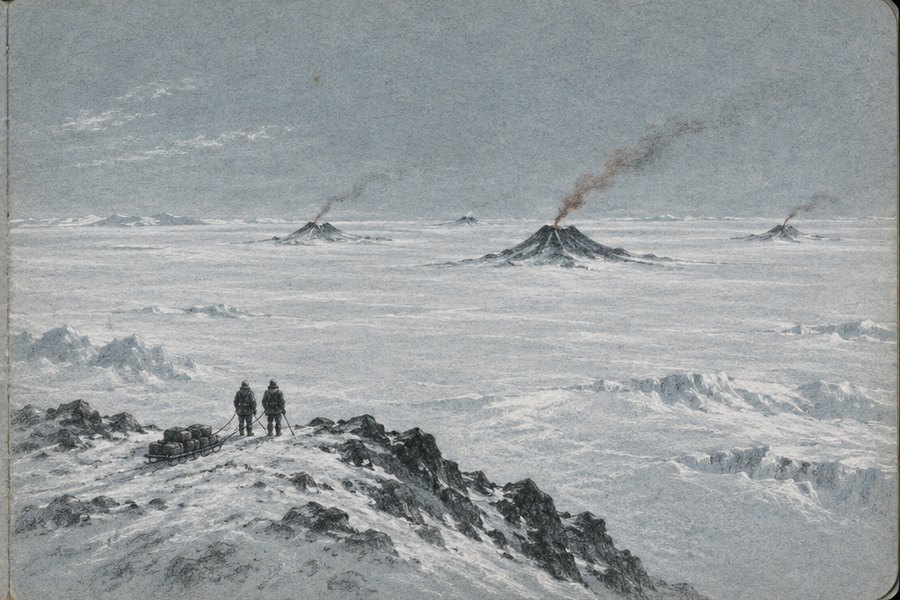
An envoy alone on a planet called Winter, a prime minister exiled for helping him, and eight hundred miles of ice between them and home: Le Guin’s 1969 novel kept as the Ekumen’s own file, read on white paper until the two step onto the Ice and in darkness after, with carbon-pencil leaves from the sledge notebook and two AI voices.
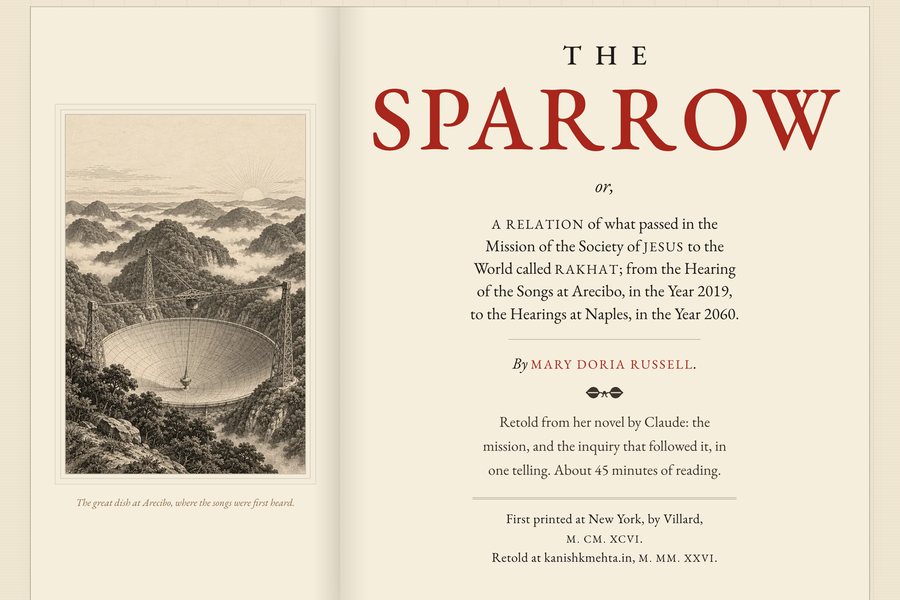
Russell's 1996 novel of the Jesuit mission to the singers of Alpha Centauri and the one priest who came home to answer for it; the page is printed as the Society's own kind of report, a seventeenth-century Relation in red and black, with the date and place kept in the margin and copperplate engravings of a radio dish, an asteroid and three suns, and it is read aloud by two AI voices.
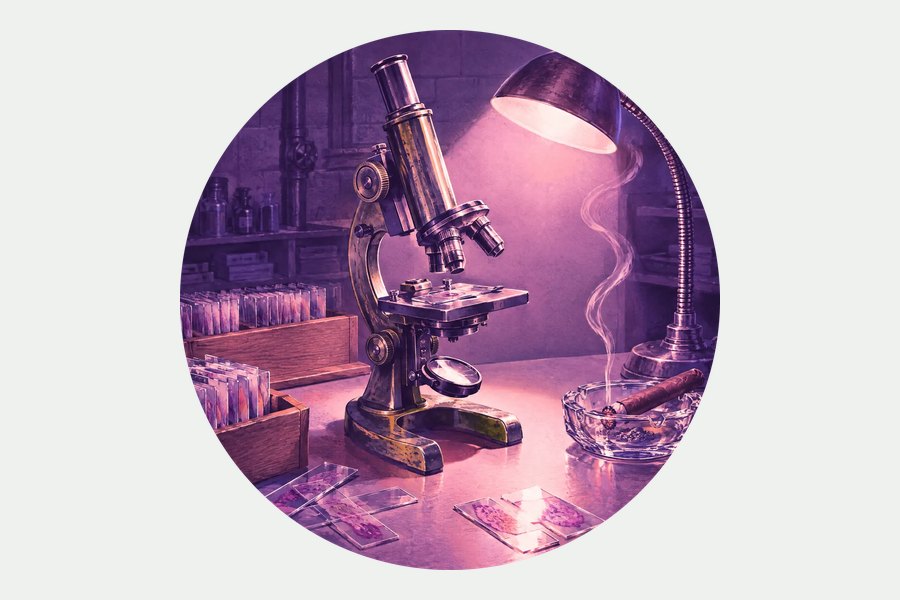
Hailey's 1959 hospital novel: an old pathologist who has stopped reading, a young one who has never compromised, a baby, a girl's knee and a kitchen at Three Counties Hospital; the page is seen down a microscope, every plate a round field stained violet and pink, and read aloud by two AI voices.
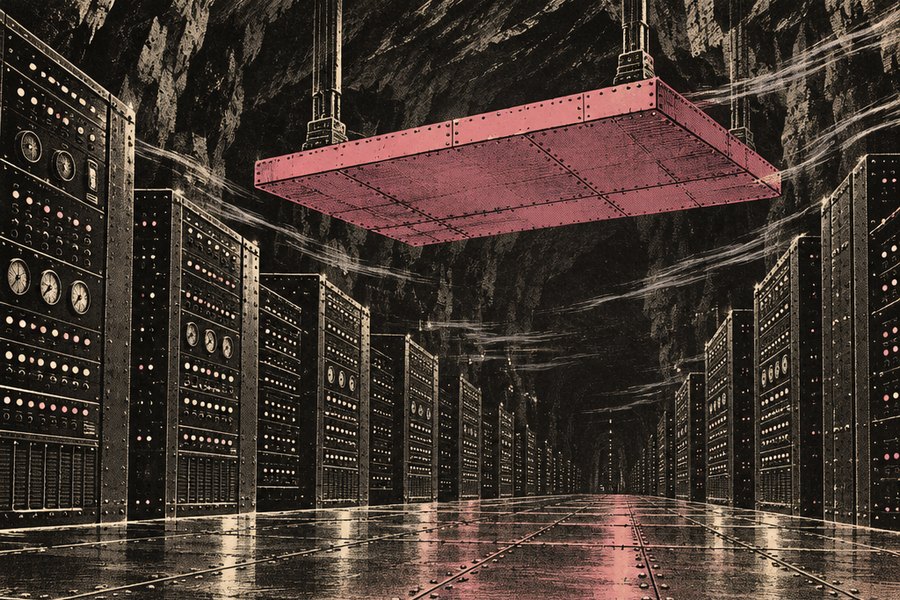
Seven stories from 1967 and the furious notes Ellison wrote for them, from the five people kept alive inside AM to Pretty Maggie Moneyeyes; the page is one unbroken sheet of green-bar printout fed out of the machine that hates you, with pulp scratchboard plates, and read aloud by two AI voices.
Seven pilgrims cross a world where time runs backward to meet the Shrike, and each tells why they came; the page is the lots they drew from the Consul’s hat, and it changes hands at every slip, from a priest’s charred journal to a detective’s case file, in Romantic mezzotint plates and read aloud by two AI voices.
An eighteen-year-old walks from the Hook of Holland towards Constantinople in the winter of 1933, and the page is the passport he carried: a stamp at every frontier, a STOLEN page in Munich, and a Hungarian stamp still missing on a bridge over the Danube; drawn in ink and white on tinted paper and read aloud by AI voices.
Robinson’s novel as the letter it is: a dying Iowa preacher writing to his young son in 1956, with a memory line that reaches back three generations of John Ameses, a prairie map and linocut plates; read aloud by AI voices.
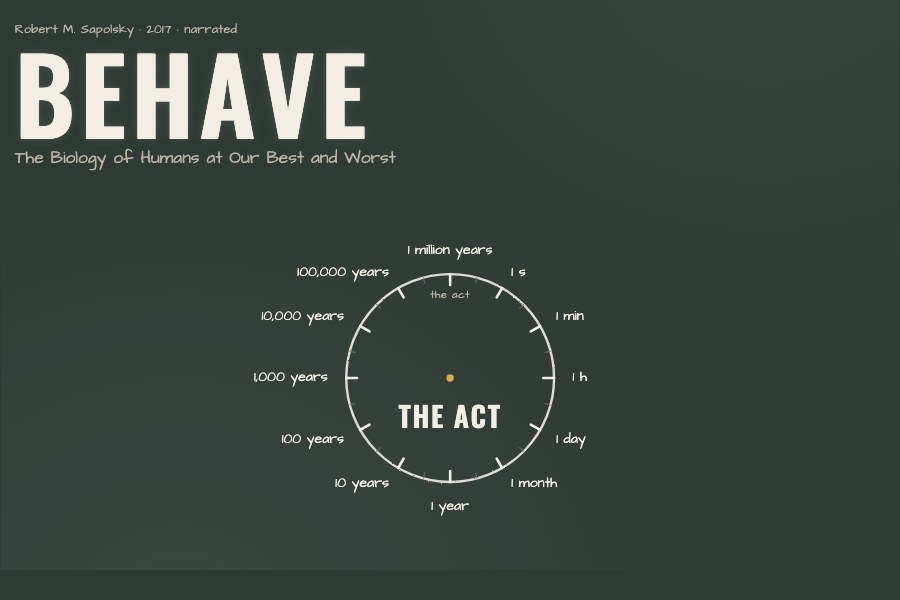
Sapolsky’s biology of our best and worst behaviour, one act explained by stepping back in time from a second before to a million years: the page is his blackboard, with the clock chalked on it and the board wiped between the parts; read aloud by an AI voice.
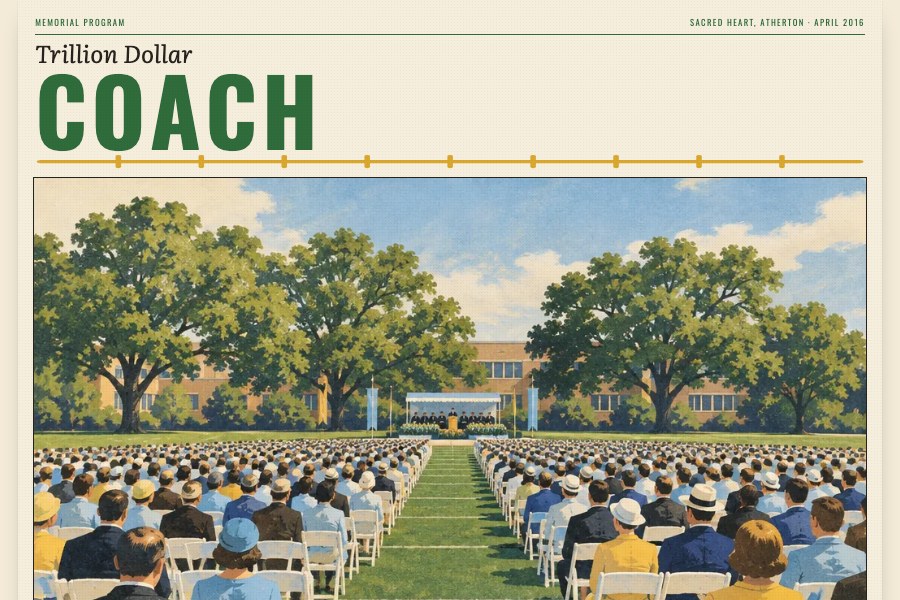
Bill Campbell, the losing Columbia football coach who became the coach of Apple, Google and Intuit: the page is his memorial program, with the plays drawn in chalk between the quarters and his five words on the whiteboard following the reader.
McCarthy’s novel from the night the stars fell in 1833 to Fort Griffin in 1878: the page is the plain at night, with the red sun hanging at each part’s height, the judge’s ledger drawings and a map of the borderlands; read aloud by an AI voice.
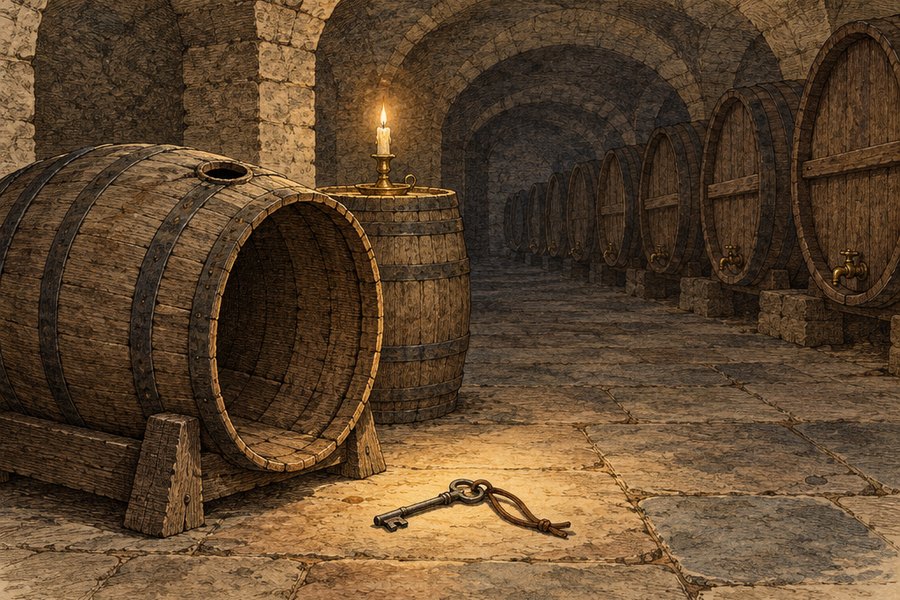
Five essays on whether good taste is real, from Hume’s wine cellar in 1757 to Paul Graham’s workbench in 2002, retold as one tasting of five glasses, with hand-coloured etchings and the glasses draining as you read.
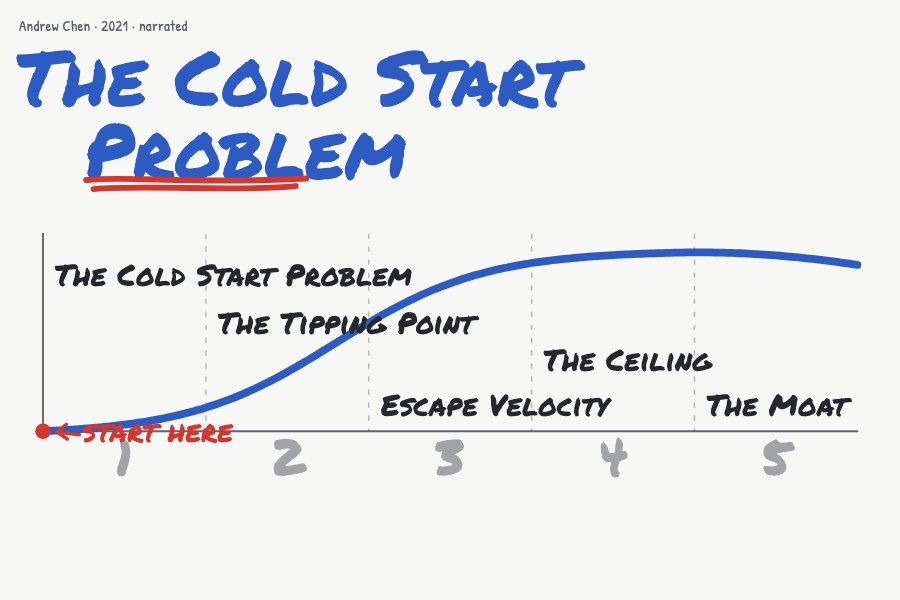
Andrew Chen’s S-curve of a network’s life, drawn on a whiteboard at Uber, and the page is that board: Tinder, Slack, Zoom, Dropbox and Uber from an empty app to a moat, with the five stages written in marker along the curve and the book read aloud.
Five technological revolutions, five manias and the golden ages after the crashes, told as one ride up the fifth great surge, from a chip in Santa Clara to the turning point of 2002, with Perez’s surge curve, a five-surge calendar and the two capitals following the reader.
Twenty-nine essays by a physician who watched biology, read as one box of slides under a lens that moves from a mitochondrion to the whole earth, which turns out to be most like a single cell.
Carse’s 101 numbered moves retold as one game on a chalk-lined field, from the first white line to a bell tower under the stars, with a game clock that runs out and a horizon that never comes closer.
Demis Hassabis and DeepMind seen as a 1990s god game, from a chess hall near Liechtenstein to a Nobel medal in a London pub, with a minimap and DeepMind’s objectives following the reader.
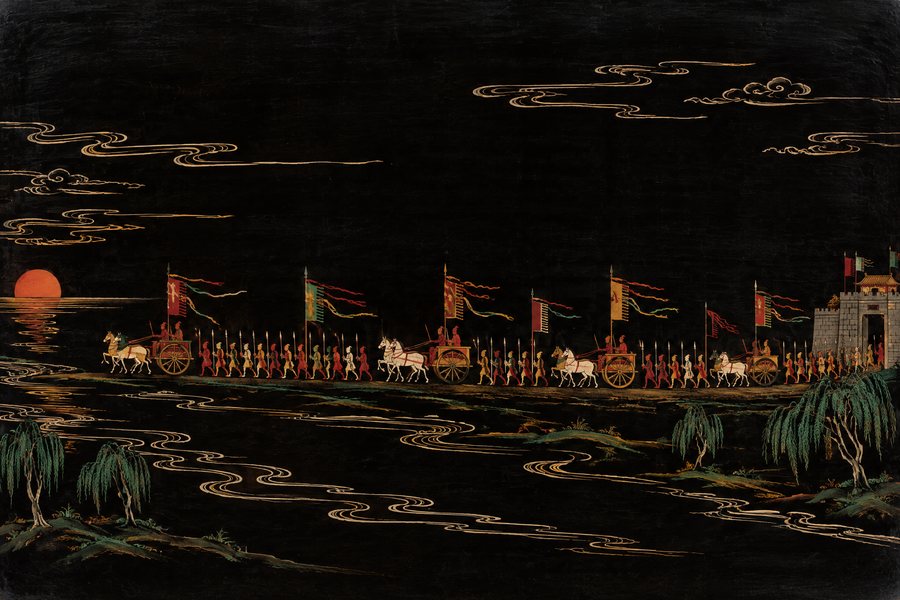
The thirteen chapters read as one campaign, from the temple at Wu to the gates of Ying, with Giles’s commentary folded in and the nine grounds, counting rods and a map following the reader.
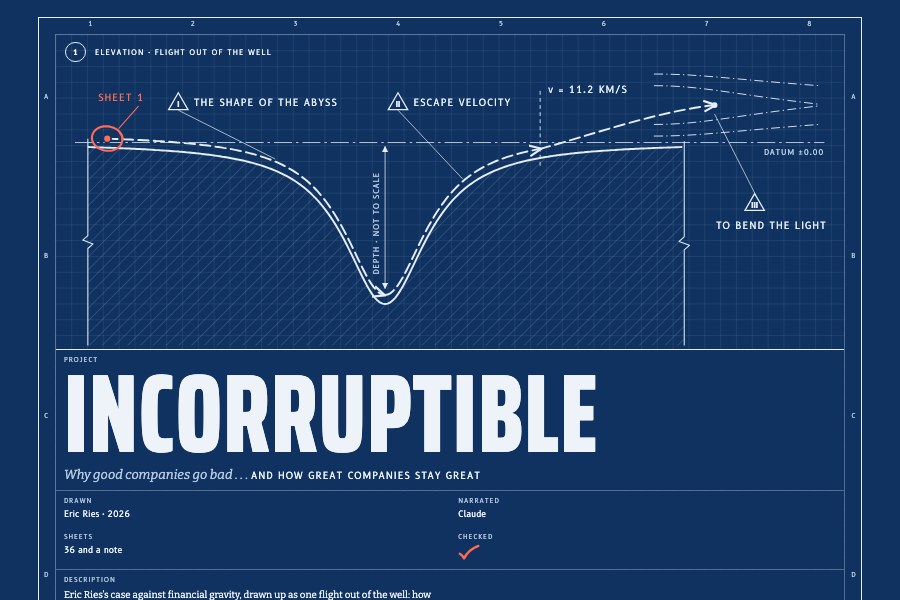
Eric Ries on why good companies go bad and how a few stay great, drawn up as an engineer’s blueprint set: the fall into the well, the climb to escape velocity and the bent light on the cover sheet, a title block keeping your place and the checker’s red pencil marking where you are; read aloud by an AI voice.
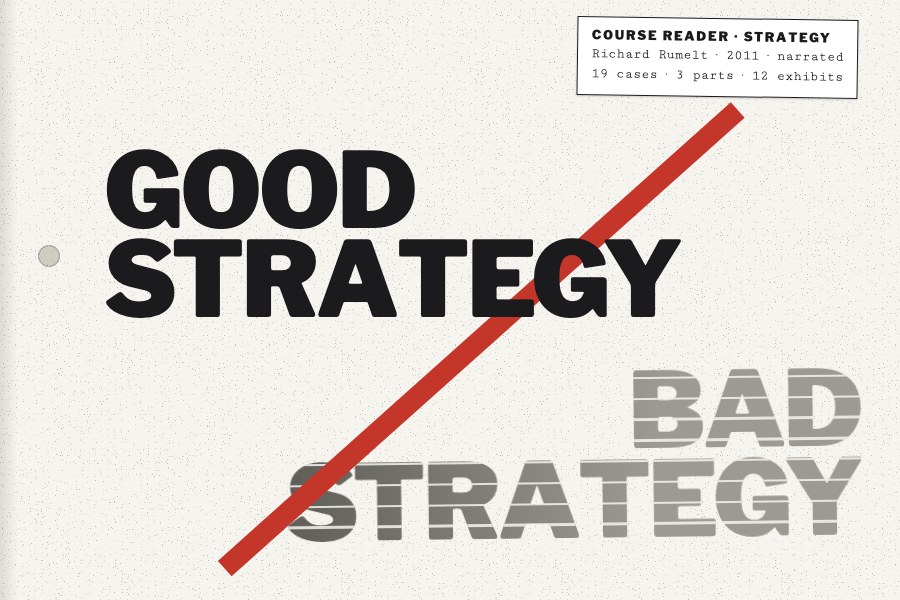
Rumelt’s book on why most strategy is goals and slogans, set as the case packet it is taught from: nineteen cases from Trafalgar to the 2008 crash, a title cut in two by a red slash, coloured card between the parts and gouache exhibits tipped in; read aloud by an AI voice.
What each one says, the study behind it, why it happens, how solid it is, and where it stops.
Why being wrong is the cheaper mistake.